Article: The AED 500 Trick That Prevents AED 5,000 in Water Damage (Every Homeowner Should Know This!)

Picture this: You’re away for the weekend when your neighbor calls. “Hey, there’s water pouring out your front door.” Your relaxing trip just turned into a $5,000 emergency because of one tiny, overlooked part that costs less than dinner for two.
I learned this lesson the hard way, and now I’m obsessed with telling every Dubai homeowner about the AED 50 water heater maintenance trick that could save them thousands.
Most people don’t realize their water heater has an expiration date. The anode rod inside it is literally designed to disintegrate – and when it does, your tank is next.
But here’s what your plumber probably isn’t telling you about water heater maintenance in Dubai: replacing this simple rod every few years can double your heater’s lifespan and prevent catastrophic leaks.
Want to know how to check if yours is on the verge of failing right now?
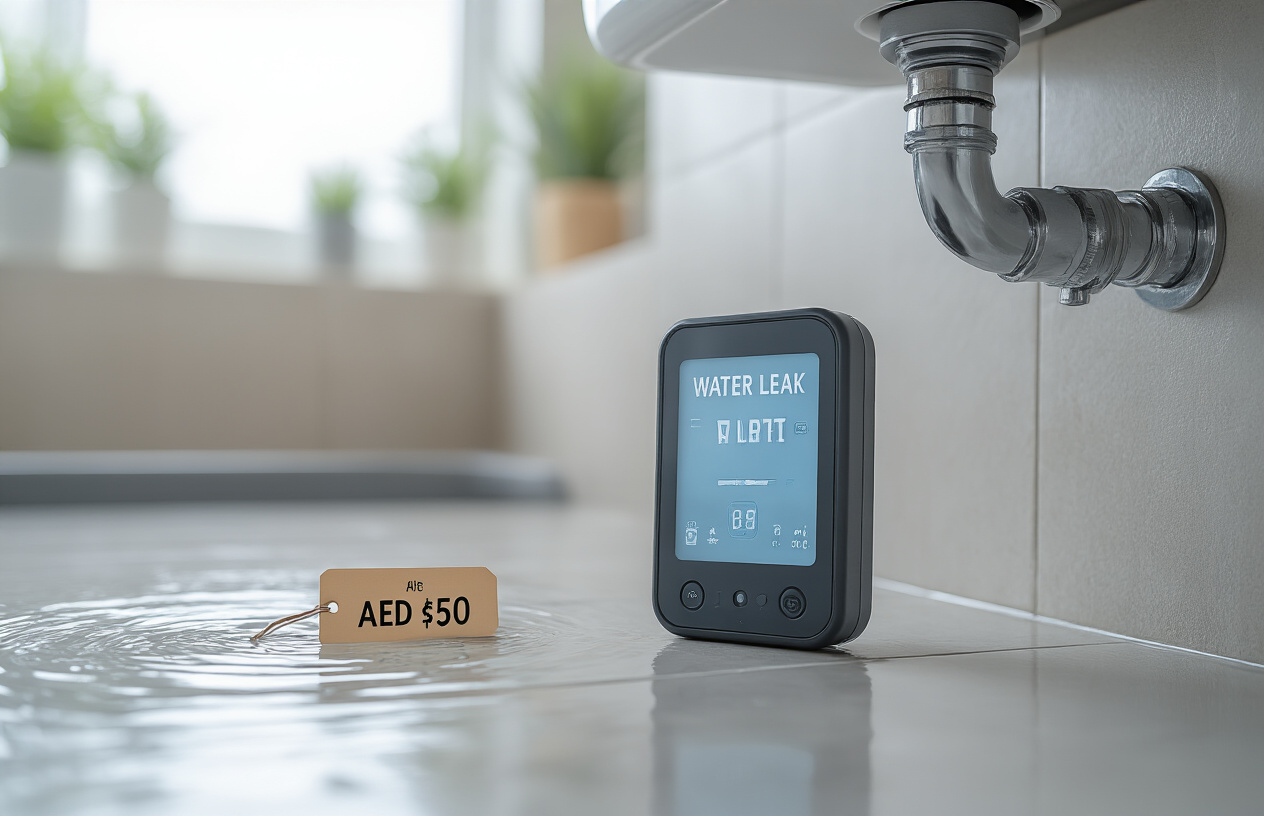
Think about this. The smallest drip in your home can cost you thousands if left unchecked.
A water leak detection device is your home’s silent guardian. It’s a simple gadget that alerts you the moment water touches it. Most are small puck-shaped sensors you place in leak-prone areas. When water makes contact, they scream with an ear-piercing alarm that’ll have you running.
Some fancy ones even connect to your phone and send alerts when you’re away. But the basic AED 50 models? They do the job just fine.
Water damage is sneaky. By the time you notice that ceiling stain, you’re already looking at serious repair costs.
Here’s the brutal truth: a tiny leak behind your washing machine can cause AED 5,000+ in damage before you even know it exists.
The math is simple:
Plus, most insurance companies will still hit you with that painful deductible. And let’s not even talk about the headache of dealing with contractors, torn-up floors, and potential mold issues.
These little devices give you critical minutes (sometimes hours) to shut off your water main before disaster strikes.
You don’t need to break the bank here. Quality water leak detectors are available everywhere:
For the best protection, grab 3-4 units and place them in your danger zones: under sinks, behind toilets, near water heaters, and washing machines.
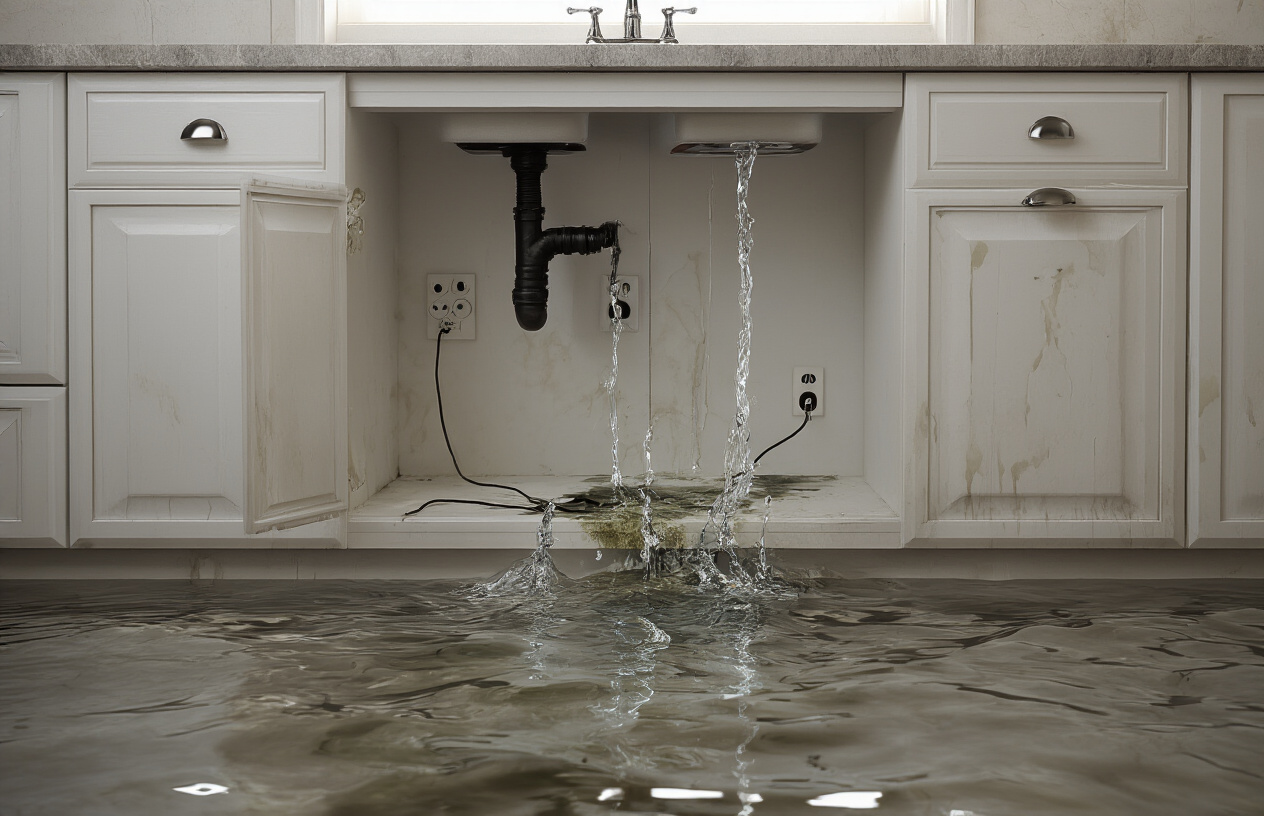
Water damage from burst pipes isn’t just annoying—it’s expensive and destructive. Most homeowners don’t realize a tiny crack can spew up to 250 gallons of water in a single day!
Pipes typically burst for three main reasons:
Your appliances are secretly the biggest water damage culprits in your home:
These wet areas are practically asking for trouble:
The UAE climate brings unique water damage risks throughout the year:
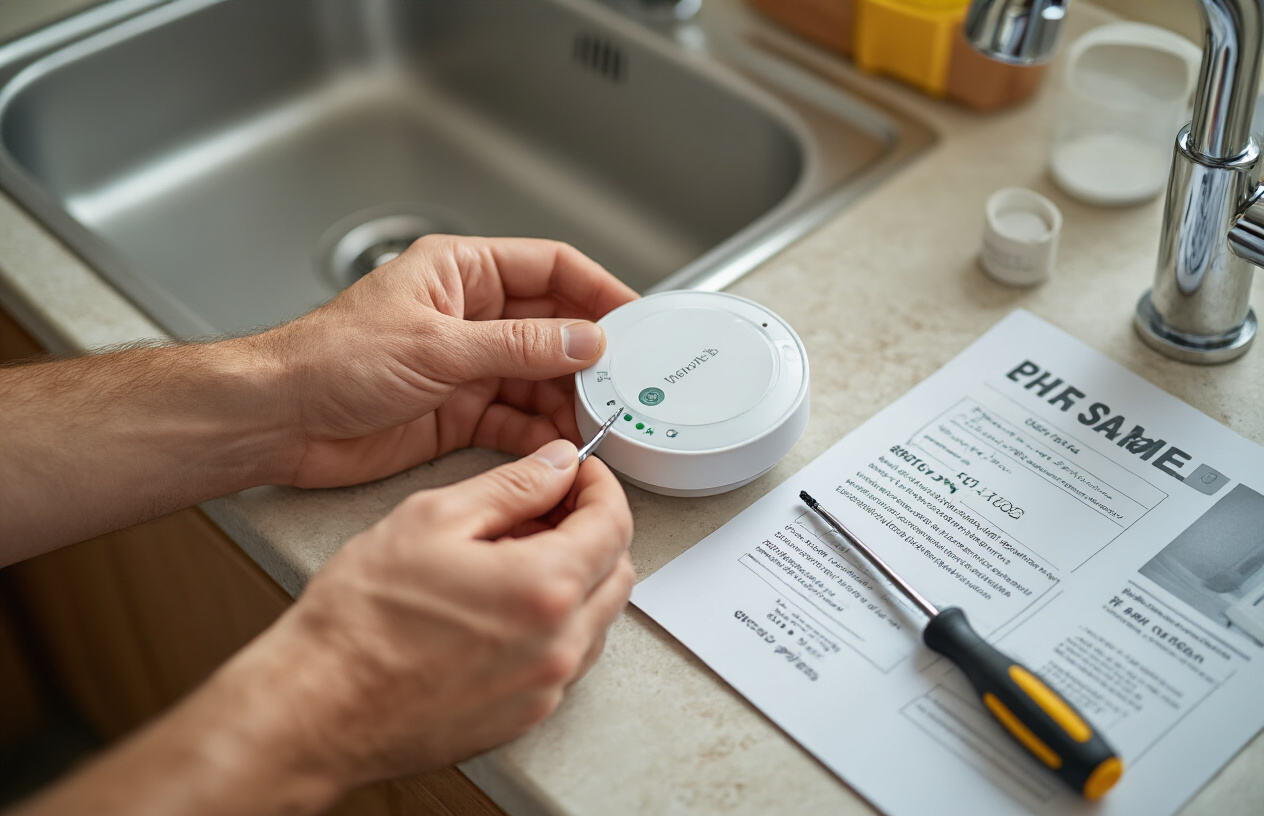
Look, water leaks always happen where you least expect them. But there are hotspots in every home that deserve special attention.
Place your detector near washing machines, water heaters, under sinks, and beside toilets. These are the usual suspects when it comes to unexpected floods.
For basements, position detectors at the lowest points where water naturally collects. And don’t forget those less obvious spots – like under dishwashers, refrigerators with water lines, and near air conditioning drain pans.
Got multiple floors? You need multiple detectors. One device can’t protect your entire home.
Installing these little lifesavers is ridiculously simple:
That’s it! No drilling, no wiring, no headaches.
Want to level up? Smart water detectors send alerts straight to your phone whether you’re in bed or on vacation.
Most connect through WiFi or Bluetooth. Download the app, follow the pairing instructions, and you’re set.
For true home automation fans, look for detectors compatible with Apple HomeKit, Google Home, or Amazon Alexa. These can trigger other smart devices when leaks occur – like turning off lights to alert you or even activating smart water shut-off valves to stop the water flow completely.
The best part? Most smart upgrades cost under AED 200 but save thousands in potential damage.
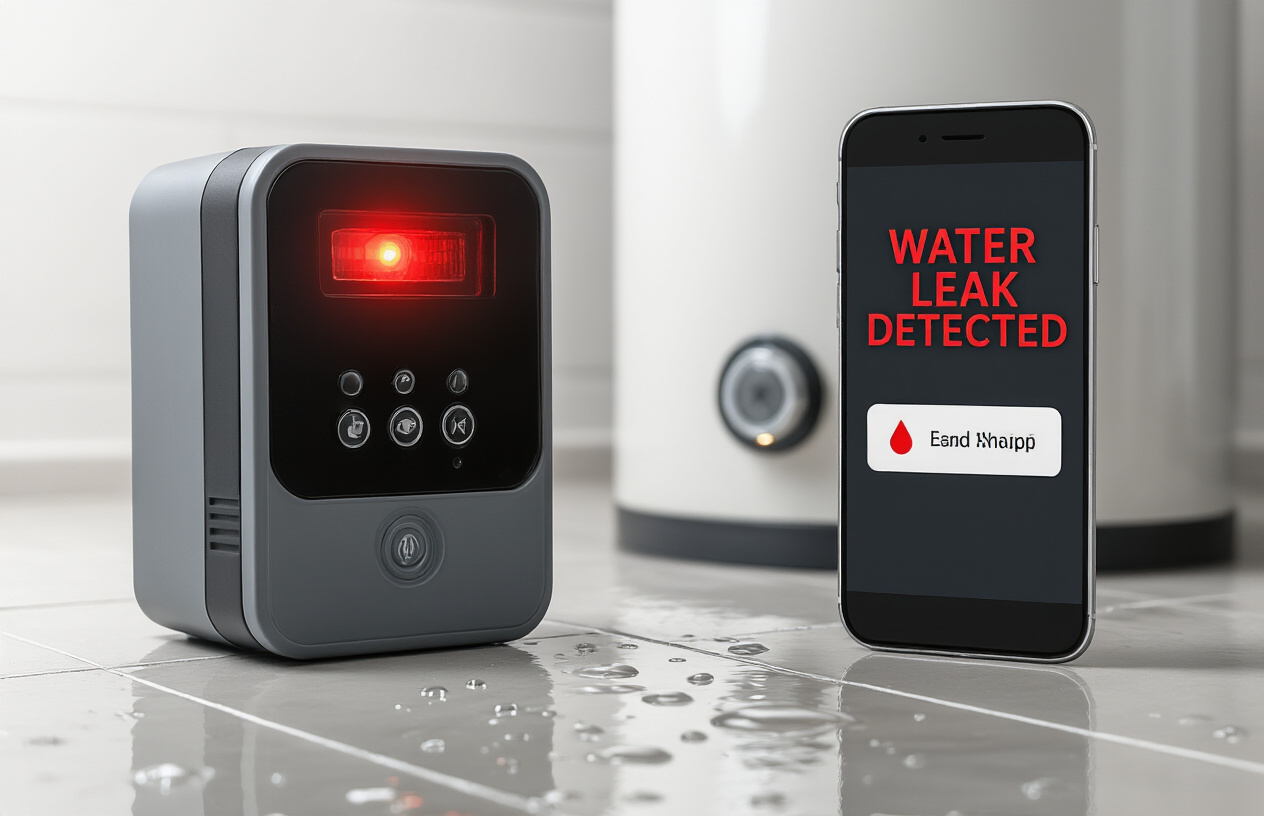
Water leak detectors aren’t just fancy gadgets—they’re your home’s first line of defense against costly water damage. These clever devices use simple but effective sensor technology that triggers when water touches the probes.
Most detectors emit a loud, unmistakable alarm (usually 85-100 decibels) that you’ll hear throughout your home. Even if you’re upstairs watching TV or sleeping, that piercing sound will get your attention immediately. Some models use different tones or patterns to indicate the severity of the leak, giving you crucial information right away.
The best part? Installation is ridiculously simple. Just place them in high-risk areas like under sinks, near washing machines, beside water heaters, or along basement walls. No complicated wiring or professional help needed.
The real game-changer with modern water leak detectors is smartphone integration. These smart systems send instant alerts to your phone the moment water is detected—whether you’re at work, on vacation, or just in another room.
Most devices connect through your home’s WiFi network and use a dedicated app that lets you:
Some advanced systems even integrate with your smart home setup, working alongside Google Home, Amazon Alexa, or Apple HomeKit.
The math here is simple: faster detection equals less damage. When water starts leaking, you typically have minutes—not hours—before serious damage begins.
A tiny investment in these detectors prevents massive repair bills by catching problems at the earliest possible stage:
Beyond the immediate alerts, many systems now track humidity levels and temperature changes that often precede major water issues. This predictive capability means you can address potential problems before they even become leaks.
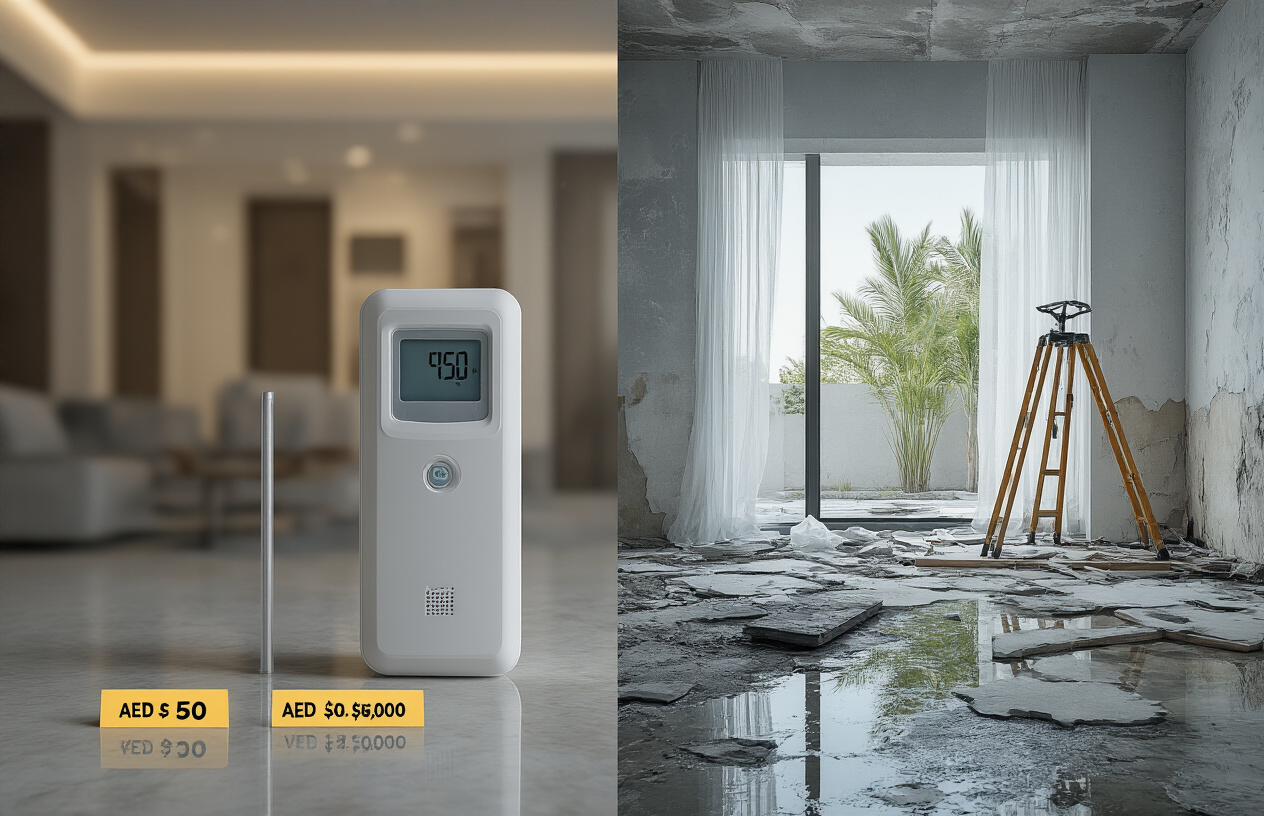
The math is pretty simple here. A AED 50 preventive measure versus a potential AED 5,000 repair bill. But what exactly makes up that AED 5,000 figure?
Most homeowners face these common water damage expenses:
| Repair Type | Typical Cost Range (AED) |
|---|---|
| Drywall replacement | 800-1,500 |
| Flooring repairs | 1,200-2,500 |
| Mold remediation | 1,000-3,000 |
| Plumbing fixes | 300-900 |
| Electrical repairs | 500-1,200 |
And that’s just for a relatively minor incident. A major water disaster can easily push costs into the AED 10,000+ range.
The bill doesn’t stop at just fixing what’s broken. You’ll get hit with:
Not to mention the stress and disruption to your daily life—something no amount of money can really compensate for.
Think your insurance has you covered? Think again.
Many insurers view preventable water damage differently than unavoidable disasters. If they determine you could have prevented the damage with basic maintenance (like that AED 50 fix we’re talking about), they might:
Some policies even have specific exclusions for damage resulting from neglected maintenance.
Over a 10-year period, the math becomes even more compelling:
When you factor in that most homes will face multiple water-related issues over their lifetime, that tiny AED 50 investment starts looking like the smartest money you’ll ever spend.
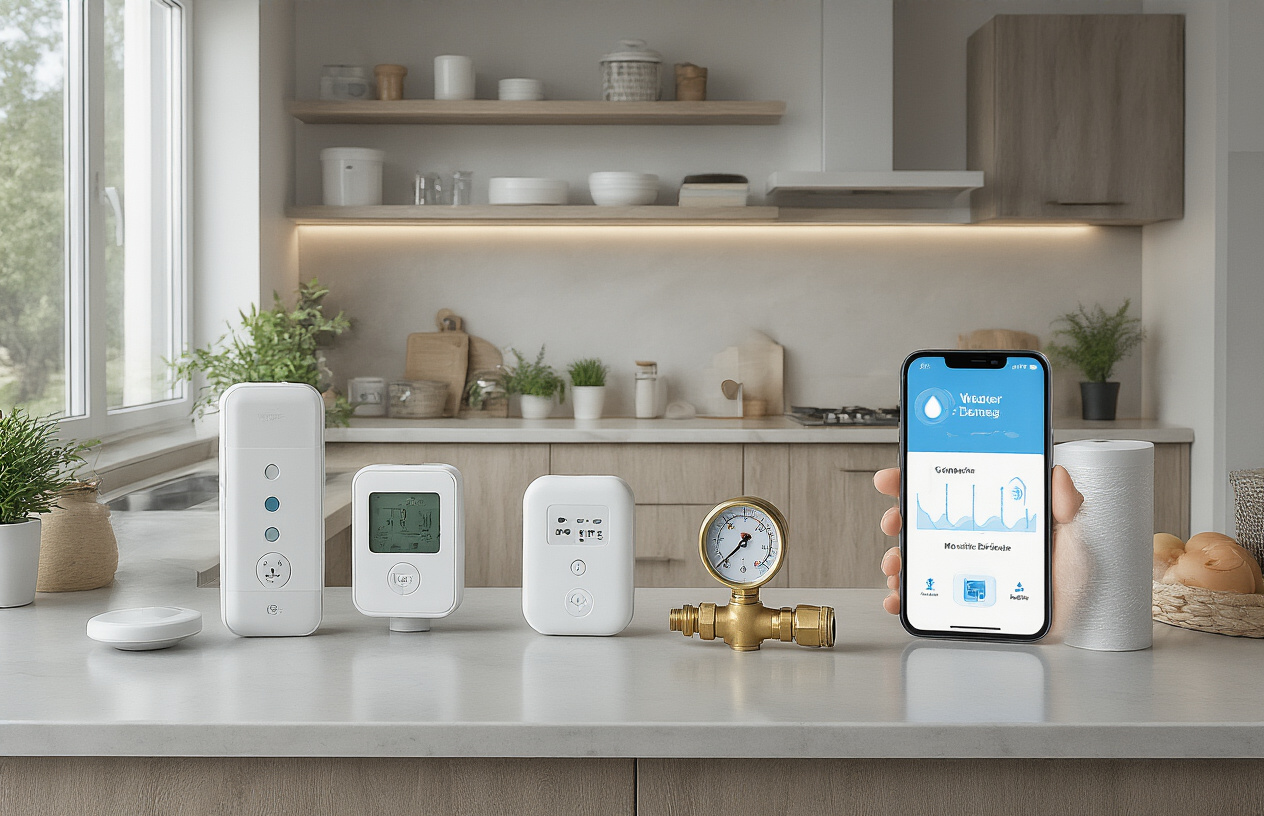
That AED 50 trick is brilliant, but let’s not stop there. Want to really bulletproof your home against water damage? Install water detection sensors near washing machines, water heaters, and under sinks. They cost about AED 75-200 and will scream bloody murder when they detect moisture.
Smart water shut-off valves are another game-changer. These beauties automatically cut your water supply when they detect unusual flow patterns. Sure, they’re pricier at AED 500-800, but compare that to replacing your entire kitchen floor.
Don’t forget the basics either. Proper sealing around windows and doors costs next to nothing but prevents water from sneaking in during those rare UAE downpours. And please, clean your gutters regularly. I know nobody wants to, but clogged gutters are like inviting water to have a house party at your expense.
Put a recurring calendar reminder for these monthly water checks:
Seasonal checks matter too. Before summer hits, inspect your AC drainage lines. A clogged condensate line can leak enough water to ruin walls and floors.
Some things are worth paying for. Have a plumber do a pressure test on your water lines every 2-3 years. They’ll spot potential leaks before they become swimming pools in your living room.
A professional roof inspection (around AED 300-500) every few years can identify potential weak spots before the next big rain. And if your home is over 15 years old, consider a professional plumbing camera inspection of your main sewer line. It’s not cheap at AED 700-1,000, but it’s a lot cheaper than a sewage backup disaster.
Thermal imaging inspections can detect hidden moisture inside walls where you’d never see it otherwise. These typically run AED 800-1,200 but can identify moisture problems invisible to the naked eye.
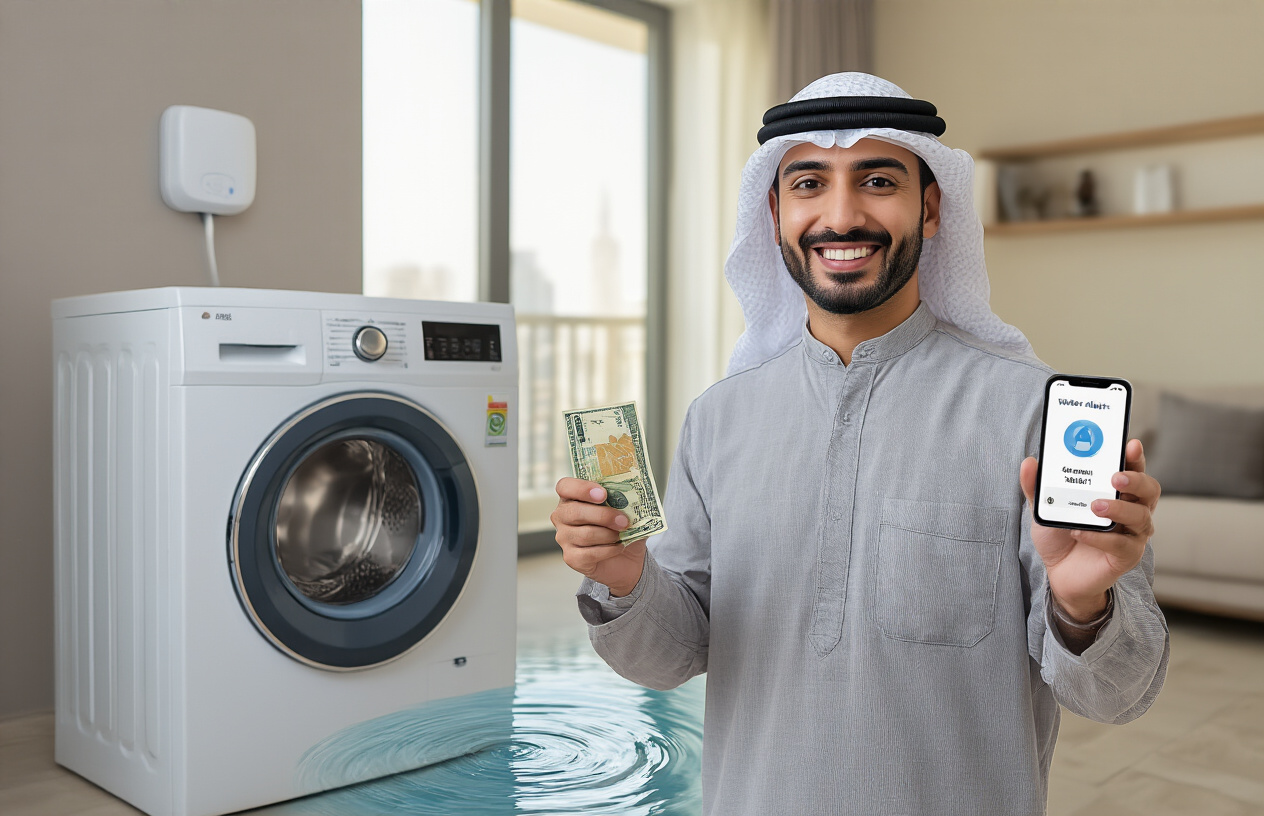
Investing just AED 50 in a water leak detection device could be the wisest decision you make as a homeowner in the UAE. This small gadget acts as your first line of defense against potential water disasters that might otherwise cost thousands in repairs. By understanding common causes of household water damage, properly installing your detector, and setting up timely alerts, you’re taking proactive steps to protect your home and belongings.
Don’t wait for a plumbing catastrophe to strike before taking action. The math speaks for itself—spending AED 50 now versus AED 5,000 (or more) later is simply smart economics. Pair your leak detector with the additional prevention strategies outlined above, and you’ll significantly reduce your risk of water damage while enjoying greater peace of mind in your home. This small investment today guarantees substantial savings tomorrow. While you’re protecting your home, don’t miss our guides on 7 HVAC maintenance mistakes costing you money and preparing your home for winter season.
Fitout Projects near me
Plumbing in Dubai
Painting
Wall Decor