Article: The Hidden Costs of Renting vs. Owning: A Comprehensive Guide to Dubai’s Real Estate Market
Trying to decide between renting vs owning in Dubai? The sticker price on rent or a mortgage is only part of the story — here’s the full breakdown of hidden fees, utility charges, and long-term costs on both sides.
1. Renting vs Owning in Dubai: Understanding the True Cost of Renting
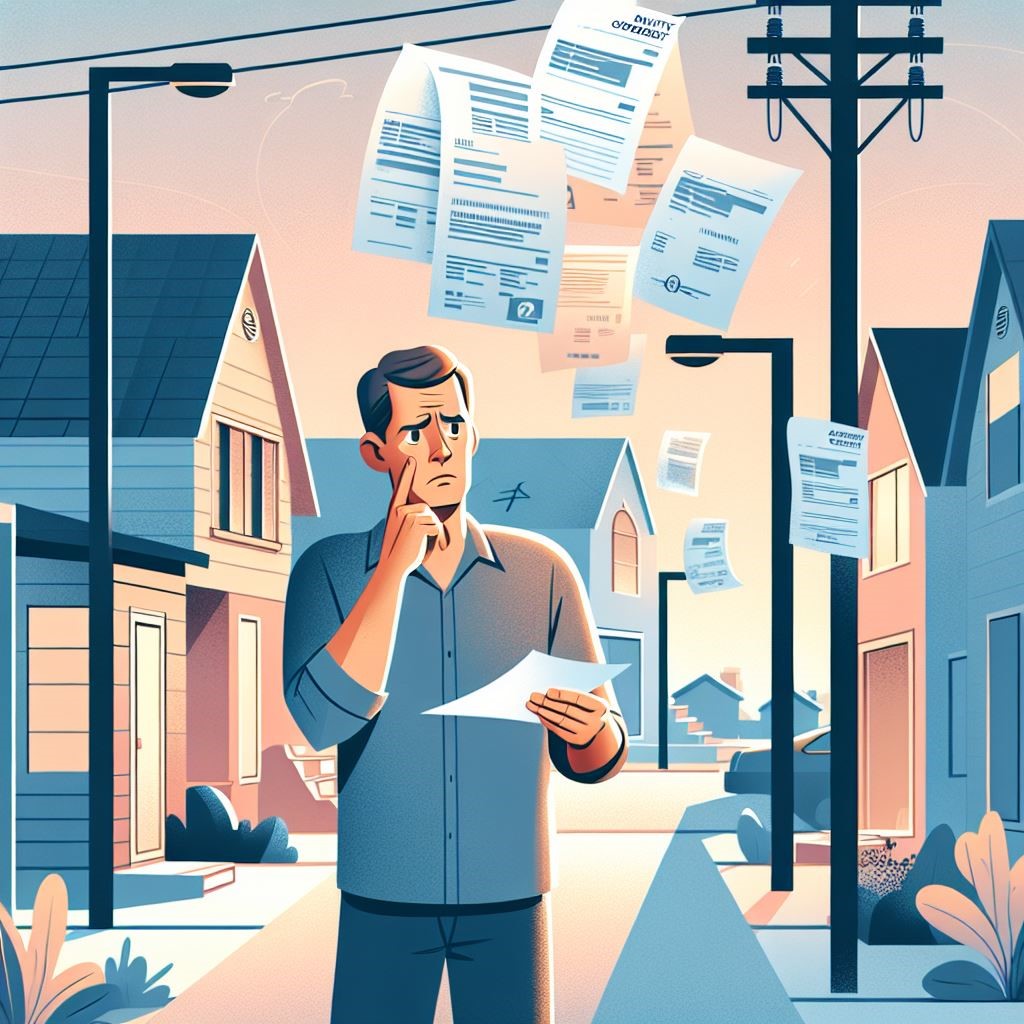
1.1 Breaking down the 45% additional charges Hey there, future Dubai resident! If you’re thinking about renting in this glitzy city, you might want to sit down for this. That apartment you’ve been eyeing? Yeah, it’s not just the rent you need to worry about. There’s a whole bunch of extra costs that can sneak up on you like a sandstorm in the desert. First off, let’s talk about that mysterious 45% additional charge. It’s not just one thing – it’s a cocktail of expenses that can make your wallet cry. We’re talking about stuff like:
Housing fees (about 5% of your annual rent)
Municipality charges
Chiller fees (because, let’s face it, AC is not a luxury in Dubai, it’s a necessity)
Building maintenance fees
1.2 DEWA fees and security deposits explained Now, let’s chat about DEWA. No, it’s not a new superhero – it stands for Dubai Electricity and Water Authority. You’ll need to set up an account with them, and here’s the kicker: they want a security deposit. For an apartment, it’s usually around 2,000 AED. Plus, you’ll need to pay a connection fee of about 110 AED. But wait, there’s more! Your monthly DEWA bill will include:
Electricity and water charges (duh)
Housing fees (remember that 5% I mentioned earlier? This is where it shows up)
Sewerage fees
1.3 Brokerage fees and apartment deposits: What to expect Alright, brace yourself for this one. If you’re going through a real estate agent (which, let’s be honest, most of us do), you’re looking at a brokerage fee of about 5% of the annual rent. Yeah, you read that right. On a 100,000 AED apartment, that’s 5,000 AED just for the agent’s services. And don’t forget the security deposit for the apartment itself. This is usually one or two months’ rent, depending on your landlord. The good news? You should get this back when you move out (assuming you didn’t turn the place into a disaster zone). I remember feeling like I was hemorrhaging money when I first moved here. But hey, at least the views are nice, right?
2. Utilities and Community Charges: The Often Overlooked Expenses
2.1 Internet and connectivity costs in Dubai Let’s talk about staying connected in Dubai. Because let’s face it, how else are you going to show off your glamorous Dubai life on Instagram? Internet packages here can range from about 200 to 1,000 AED per month, depending on the speed and whether you bundle it with TV services. And don’t forget the installation fees – they can sneak up on you like a ninja in the night. I made the mistake of going for the cheapest option when I first moved here. Big mistake. Turns out, streaming Netflix in HD while video calling my mom back home requires a bit more bandwidth. Lesson learned!
2.2 Community charges: What they cover and why they matter Okay, so you’ve found a place in a fancy community with pools, gyms, and maybe even a little park. Awesome, right? Well, remember that nothing in life is free, especially not in Dubai. Community charges can vary wildly depending on where you live. They usually cover things like:
Maintenance of common areas
Security services
Garbage collection
Upkeep of community facilities
These charges can range from a few hundred to a few thousand dirhams per year. And here’s the kicker – some landlords include this in the rent, while others expect you to pay it separately. So always, always ask about this before signing on the dotted line.
2.3 Maintenance responsibilities: Minor vs. major repairs Here’s where things can get a bit tricky. In Dubai, the general rule is that the landlord is responsible for major repairs, while you, the tenant, handle the minor stuff. But what’s “major” and what’s “minor”? Well, it’s not always clear-cut. Generally:
Minor: Changing light bulbs, unclogging drains, fixing door handles
Major: AC repairs, plumbing issues, electrical problems
I once had a standoff with my landlord over a leaky faucet. Was it minor? Was it major? In the end, I fixed it myself just to stop the constant dripping that was driving me crazy. Pro tip: Get everything in writing in your tenancy contract. Trust me, future you will thank past you for this.
3.1 Pros and cons of short-term rental apartments So, you’re thinking about dipping your toes in the Dubai waters with a short-term rental? Smart move. Let’s break it down: Pros:
Flexibility – perfect if you’re not sure how long you’ll stay
Fully furnished – no need to buy a bed or a fancy coffee maker
Often include utilities – one less headache to deal with
Cons:
Generally more expensive per month
Less stability – you might have to move more often
Limited ability to personalize your space
I tried the short-term rental route when I first landed in Dubai. It was great for getting my bearings, but man, living out of a suitcase gets old fast.
3.2 Cost comparison: Short-term vs. long-term rentals Now, let’s talk numbers. Short-term rentals might seem more expensive at first glance, but remember all those hidden costs we talked about earlier? Yeah, most short-term rentals include those. Let’s say a long-term rental costs 5,000 AED per month. Add in all the extras, and you might be looking at 7,000 AED all in. A comparable short-term rental might be listed at 8,000 AED per month, but that’s often the all-in price. Plus, with short-term rentals, you’re not locked into a year-long contract. If you decide Dubai isn’t for you after a few months, you can peace out without breaking a lease.
3.3 Legal considerations for short-term accommodations in Dubai Alright, time for some real talk. Short-term rentals in Dubai are regulated, and not all buildings allow them. If you’re thinking of renting out your place on Airbnb to make some extra cash, think again. To legally offer short-term rentals, you need:
A license from the Department of Tourism and Commerce Marketing
Permission from your landlord (if you’re renting)
To follow specific rules about minimum stay lengths and guest registration
I had a friend who tried to skirt these rules. Let’s just say it didn’t end well, and he’s now back in his home country with a significantly lighter wallet.
4.1. Long-term financial benefits of property ownership Okay, so we’ve talked a lot about renting. But what about buying? Is it worth it? In the long run, owning property in Dubai can be a smart financial move. Here’s why:
You’re building equity instead of just paying someone else’s mortgage
Property values in Dubai have generally trended upwards over time
No more dealing with landlords or annual rent increases
I’ve been renting for years, and sometimes I kick myself for not buying sooner. But hey, hindsight is 20/20, right?
4.2 Building equity and potential appreciation When you buy a property, every mortgage payment is like putting money in your own pocket. Plus, if property values go up (which they often do in Dubai), you’re looking at some nice appreciation. For example, let’s say you buy an apartment for 1 million AED. If property values increase by just 5% per year (which is conservative for Dubai), in 5 years your property could be worth 1.27 million AED. Not too shabby!
4.3 Tax advantages and residency options for property owners Here’s where it gets really interesting. Dubai is famous for its tax-free living, and property ownership comes with some sweet perks:
No property taxes (yeah, you read that right)
No capital gains tax if you sell
Possibility of getting a residence visa if your property is worth over 1 million AED
I have a friend who bought a place here mainly for the residence visa. Now he splits his time between Dubai and his home country, living his best life.
5.Maximizing Property Value through Professional Maintenance
5.1 Benefits of hiring an annual maintenance company Whether you’re renting or owning, keeping your place in tip-top shape is crucial. That’s where annual maintenance companies come in. They’re like the superheros of the property world, swooping in to fix problems before they become disasters. Benefits include:
Regular check-ups on major systems (AC, plumbing, electrical)
Quick response times for emergencies
Peace of mind (and trust me, that’s priceless in Dubai)
I resisted getting an annual contract for years, thinking I could handle everything myself. Spoiler alert: I couldn’t. Now I have a great company on speed dial, and life is so much easier.
5.2 Cost-effectiveness of preventive maintenance Here’s the thing about maintenance – it’s always cheaper to prevent a problem than to fix it. A small AC issue today could turn into a complete system replacement tomorrow if left unchecked. Annual maintenance contracts usually cost between 2,000 to 5,000 AED, depending on the size of your property. It might seem like a lot, but trust me, it’s a bargain compared to major repairs.
5.3 Enhancing property value and tenant satisfaction If you’re a landlord (or thinking of becoming one), listen up. Regular maintenance isn’t just about avoiding headaches – it’s about making your property more valuable and attractive to tenants. Well-maintained properties:
Command higher rents
Attract better tenants
Sell for more if you decide to cash out
Plus, happy tenants are more likely to renew their leases, saving you the hassle and expense of finding new ones. It’s a win-win!
Summary: Whew, we’ve covered a lot of ground! From the hidden costs of renting to the potential benefits of buying, navigating Dubai’s real estate market can feel like a wild ride. But armed with this knowledge, you’re in a much better position to make smart decisions. Remember, whether you’re renting or buying, always do your homework, read the fine print, and don’t be afraid to ask questions. If you do end up owning, protecting that investment matters too — see our guides on preventing costly water damage and luxury villa upgrades worth the investment. And most importantly, don’t let the complexities scare you off – Dubai is an amazing place to live, and with the right approach, you can find your perfect home in this city of dreams.
FAQs:
1. How much should I budget for additional costs when renting in Dubai? A good rule of thumb is to add about 45% to your base rent to cover all additional costs.
2. Is it better to rent or buy in Dubai? It depends on your personal circumstances, but if you plan to stay long-term and have the capital, buying can often be more financially beneficial.
3. Are short-term rentals legal in Dubai? Yes, but they’re heavily regulated. Make sure you’re renting from a licensed operator.
4. Do I really need an annual maintenance contract? While not mandatory, it can save you a lot of headaches and potentially money in the long run.
5. Can I get a residence visa if I buy property in Dubai? Yes, if your property is worth over 1 million AED, you may be eligible for a residence visa.